

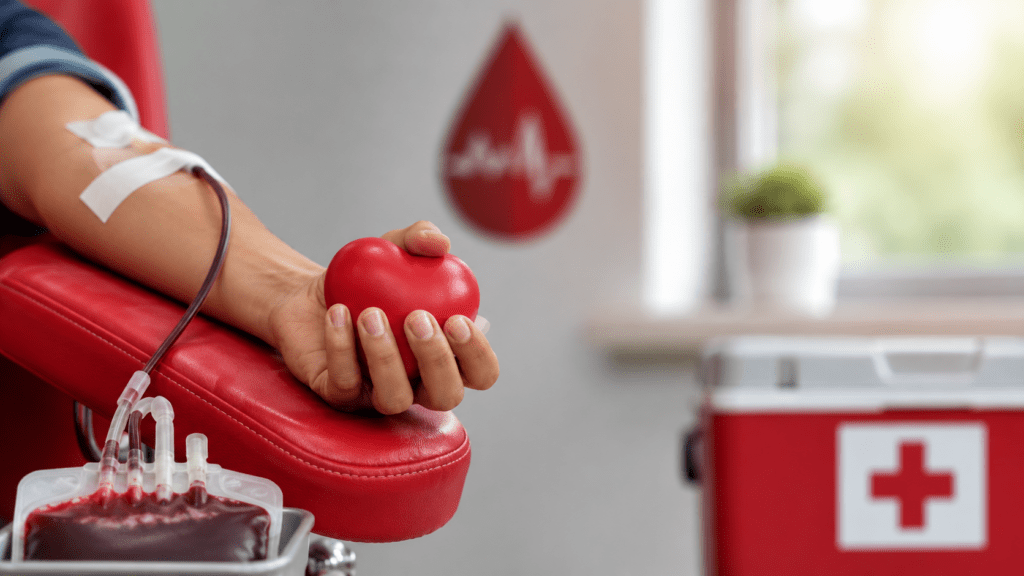

The demand for blood is steadily increasing in Jhapa as hospitals continue to treat more patients suffering from serious illnesses. Health officials say regular blood donation and strict screening remain essential to maintaining safe transfusion services across the district.
Blood transfusion centres operated by the Nepal Red Cross Society have also detected several cases of infectious diseases during routine testing of donated blood in recent years. Every donated unit is screened for HIV, hepatitis B, hepatitis C and syphilis before being supplied to hospitals.
Advertisement


🩸 Blood Shortages During Monsoon
According to officials, blood shortages often become severe during the monsoon season and busy farming periods when donation programmes decline.
Hospitals in Jhapa require thousands of blood units every year for patients dealing with:
- Cancer
- Kidney disease
- Anemia
- Emergency surgeries
- Accident cases
Medical workers say awareness campaigns and regular donation drives are necessary to meet the growing demand.
⚠️ Importance of Safe Blood Screening
Health experts stress that screening donated blood helps prevent the spread of infectious diseases and protects patients during transfusions.
Donors whose samples show reactive results are referred for further medical testing and counselling.
Officials say both blood donation and health screening play a major role in strengthening Nepal’s healthcare system.

✅ Conclusion
As blood demand continues to rise in Jhapa, authorities are encouraging more people to donate regularly while maintaining strict safety standards. Experts say safe blood services are vital for saving lives and protecting public health.